|
|
How to Do Trivikramasana (Three Steps Pose) Yoga Posture
Trivikramasana, also known as the Three Steps Pose, is an advanced standing balance yoga posture that improves flexibility, strengthens the core, enhances coordination, and supports spinal alignment.
Steps to Perform Trivikramasana
- Stand upright in an erect position with both palms facing forward.
- Slowly inhale and raise the right hand upward beside the head.
- Then slowly raise the left hand in front of the body while lifting the left leg upward with the knee straight. Gradually bring the raised leg and hand closer to the chest and head.
- Firmly hold the left toe with the left hand.
- In the final position, keep the spine straight. The right hand and right leg should remain straight and stable. Keep the left palm and left toe together at face level. Gaze at the left leg or look straight ahead.
- Take a few normal breaths. Slowly exhale and gently lower the leg. Return the head, neck, and upper body to an upright standing position.
- Relax and repeat the asana 3 to 4 times.
- Repeat the same posture on the opposite side 3 to 4 times.
|
Benefits of Trivikramasana
Helpful for reducing thigh and abdominal fat.
Supports the natural curve and alignment of the spine.
Improves flexibility of the hands, shoulders, and legs.
Helps relieve lower back discomfort.
Useful for people with sedentary lifestyles and desk jobs.
Enhances balance, concentration, and body coordination.
|
Indications of Trivikramasana
Improves leg and waist flexibility.
Strengthens core muscles.
Supports better concentration and stability.
May help in obesity management.
Useful for leg pain, numbness, and mild stiffness.
Can support balance improvement during neurological rehabilitation under expert guidance.
|
Contraindications
High blood pressure or hypertension.
Recent heart surgery or cardiac conditions.
Spinal injuries or severe back pain.
Head, neck, or waist injuries.
|
Who Can Practice?
Children above 14 years and adults up to 50 to 60 years, depending on flexibility and fitness level.
Who Should Avoid?
Senior citizens aged 60 to 70 years without supervision.
Pregnant women.
People with serious spine, neck, heart, or balance disorders.
|
 |
Yoga The Path to Holistic Health: The Definitive Step-by-Step Guide by B.K.S. Iyengar |
Buy Online Now |
 |
Yoga for Everyone: A Step-by-Step Illustrated Guide to Iyengar Yoga by B.K.S. Iyengar |
Buy Online Now |
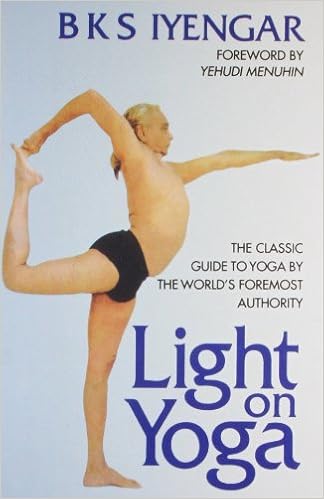 |
Light on Yoga: The Classic Guide to Yoga by the World's Foremost Authority by B.K.S. Iyengar |
Buy Online Now |
 |
The Complete Book of Vinyasa Yoga: The Authoritative Presentation-Based on 30 Years of Direct Study Under the Legendary Yoga Teacher Krishnamacha by Srivatsa Ramaswami |
Buy Online Now |
 |
The Seven Spiritual Laws of Yoga: A Practical Guide to Healing Body, Mind, and Spirit by Deepak Chopra M.D. and David Simon M.D. |
Buy Online Now |
 |
Mudras of India: A Comprehensive Guide to the Hand Gestures of Yoga and Indian Dance |
Buy Online Now |
 |
One Simple Thing: A New Look at the Science of Yoga and How It Can Transform Your Life |
Buy Online Now |
 |
From the Vedas to Vinyasa: An Introduction to the History and Philosophy of Yoga |
Buy Online Now |
|
Manuscripts are invited for next Issue at ijapc.com
Features
Herbs and Medicinal Plants
|