How to Do Niralambasana (Unsupported Headstand Pose) - Steps, Benefits & Precautions

How to Do Niralambasana (Unsupported Headstand Pose) - Steps, Benefits & Precautions

liveayurved.com

Yoga Postures >> Niralambasana (Unsupported Headstand Pose) Yoga Posture


How to do Niralambasana (Unsupported Headstand Pose)

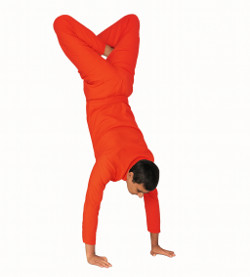
Niralambasana, also known as the Unsupported Shoulder Stand Pose, is an advanced yoga posture that enhances balance, core stability, and upper-body strength. This asana requires focus, steady breath control, and proper alignment. Practicing it regularly helps improve flexibility, strengthen the spine, and tone the arms and shoulders.

Step-by-Step Practice Guide

  1. Begin in Dandasana and slowly move into Malasana (Potty Pose). Keep your feet parallel to your hips and place all toes firmly on the floor. Position your elbows under the abdomen and inside the knees.

  2. Inhale deeply and gently push the elbows outward to feel a deep stretch in the inner thighs. Maintain a straight spine throughout.

  3. Place your palms on the floor, press them firmly, and lift the chest and thorax upward.

  4. Hold the position for 3 to 4 breaths, pressing the arms downward and lengthening the lower back upward. Open the shoulders and chest.

  5. Slowly begin to lift the crossed legs upward, balancing your weight over the palms.

  6. Stand on your palms, adjust the knees comfortably upward, and keep the spine, head, and neck aligned and straight.

  7. Keep the head aligned between the hands, level with the elbows.

  8. Take 2 to 3 controlled breaths, ensuring your balance is firm, especially if you are a beginner.

  9. Slowly lower the legs, hips, and upper body back down with control.

  10. Exhale and relax in Dandasana.

Benefits of Niralambasana

  • Strengthens upper arms, forearms, and palm muscles.

  • Enhances body balance, stability, and concentration.

  • Helps in upper-body toning and muscle building.


  • Indications - Who Can Practice It?

  • Individuals aged 14 to 50 years.

  • Those aiming to strengthen shoulders, forearms, and upper arms.

  • People who want to improve spinal strength.

  • Useful for enhancing waist flexibility and overall balance.

  • Contraindications - Who Should Avoid It?

  • Anyone with recent lower abdominal surgeries.

  • Individuals experiencing heavy menstrual bleeding.

  • People with spinal injuries or severe back pain.

  • Seniors aged 60 to 70 years.

  • Pregnant women.

  • Final Pose Picture


    Best Books on Yoga

    Yoga The Path to Holistic Health: The Definitive Step-by-Step Guide by B.K.S. Iyengar

    Buy Online Now


    Yoga for Everyone: A Step-by-Step Illustrated Guide to Iyengar Yoga by B.K.S. Iyengar

    Buy Online Now


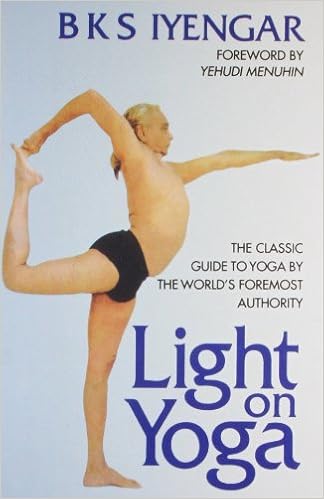
    Light on Yoga: The Classic Guide to Yoga by the World's Foremost Authority by B.K.S. Iyengar

    Buy Online Now


    The Complete Book of Vinyasa Yoga: The Authoritative Presentation-Based on 30 Years of Direct Study Under the Legendary Yoga Teacher Krishnamacha by Srivatsa Ramaswami

    Buy Online Now


    The Seven Spiritual Laws of Yoga: A Practical Guide to Healing Body, Mind, and Spirit by Deepak Chopra M.D. and David Simon M.D.

    Buy Online Now


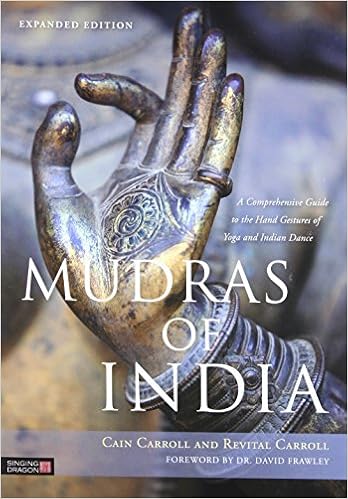
    Mudras of India: A Comprehensive Guide to the Hand Gestures of Yoga and Indian Dance

    Buy Online Now


    One Simple Thing: A New Look at the Science of Yoga and How It Can Transform Your Life

    Buy Online Now


    From the Vedas to Vinyasa: An Introduction to the History and Philosophy of Yoga

    Buy Online Now


    Patanjali’s Yoga Sutras by Swami Vivekananda

    Buy Online Now


    Light on the Yoga Sutras of Patanjali by B.K.S. Iyengar

    Buy Online Now


    ijapc.com
    Manuscripts are invited for next Issue at ijapc.com
       
    Ayurvedic Books
       
    Features
     
    Student Corner

    Preventive Ayurved
    Curative Ayurved
    All listed information on this site may or may not be accurate. Disclaimer