Dhyana Mudra: Meaning, How to Perform & Benefits | Meditation Hand Gesture

Dhyana Mudra: Meaning, How to Perform & Benefits | Meditation Hand Gesture

liveayurved.com

Yoga Postures >> Dhyana Mudra (Meditation Gesture) Yoga Posture


Why is it called Dhyana Mudra?

Dhyana Mudra is associated with meditation, inner awareness, and the spiritual journey. The word "Dhyana" refers to meditation or deep contemplation, while "Mudra" means a symbolic hand gesture used in yoga and meditation practices. This mudra is traditionally practiced to promote concentration, inner calm, and spiritual awareness.

How to Perform Dhyana Mudra

  1. First, sit comfortably on the floor, on a yoga mat, or in a chair, as is most convenient.

  2. Sit in a comfortable meditation posture, such as Padmasana (Lotus Pose) or Sukhasana (Easy Pose), while keeping your spine comfortably straight.

  3. Take a few slow, deep breaths. Gradually make your breathing natural, steady, and relaxed.

  4. Place both hands near the navel or gently rest them on your thighs in a relaxed position.

  5. Place the left palm facing upward, then gently place the right palm over it, with the fingers of both hands comfortably touching.

  6. Bring the tips of both thumbs together to form a gentle triangle shape with the hands. Keep the remaining fingers relaxed and naturally extended.

  7. Close your eyes and gently focus your attention on the triangular shape formed by your hands. Observe your natural breathing and become aware of the flow of energy within the body.

  8. Breathe deeply and calmly throughout the practice without straining or holding your breath.

  9. For traditional meditation practice, Brahma Muhurta (the period before sunrise) is considered an ideal time to practice Dhyana Mudra.

Benefits of Dhyana Mudra

  • Promotes concentration and mental focus, making it useful during meditation and for improving focus in daily activities.

  • Helps promote mental and physical balance and a sense of inner equilibrium.

  • Traditionally practiced to support the balanced flow of Ida and Pingala Nadis according to yogic philosophy.

  • May help promote balance between the left and right sides of brain activity, supporting mental clarity and calmness.

  • Supports a peaceful and relaxed state of mind and may enhance awareness during meditation.


  • Final Pose Picture


    Best Books on Yoga

    Yoga The Path to Holistic Health: The Definitive Step-by-Step Guide by B.K.S. Iyengar

    Buy Online Now


    Yoga for Everyone: A Step-by-Step Illustrated Guide to Iyengar Yoga by B.K.S. Iyengar

    Buy Online Now


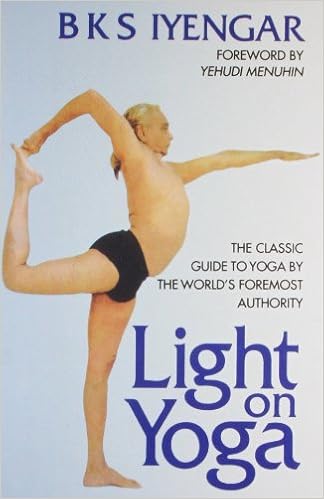
    Light on Yoga: The Classic Guide to Yoga by the World's Foremost Authority by B.K.S. Iyengar

    Buy Online Now


    The Complete Book of Vinyasa Yoga: The Authoritative Presentation-Based on 30 Years of Direct Study Under the Legendary Yoga Teacher Krishnamacha by Srivatsa Ramaswami

    Buy Online Now


    The Seven Spiritual Laws of Yoga: A Practical Guide to Healing Body, Mind, and Spirit by Deepak Chopra M.D. and David Simon M.D.

    Buy Online Now


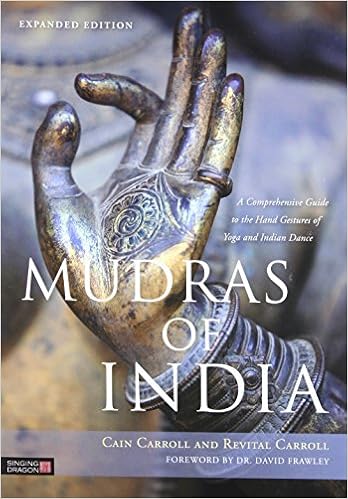
    Mudras of India: A Comprehensive Guide to the Hand Gestures of Yoga and Indian Dance

    Buy Online Now


    One Simple Thing: A New Look at the Science of Yoga and How It Can Transform Your Life

    Buy Online Now


    From the Vedas to Vinyasa: An Introduction to the History and Philosophy of Yoga

    Buy Online Now


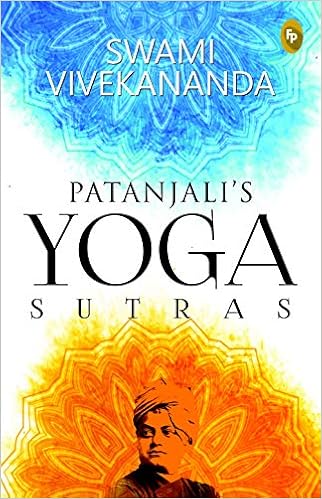
    Patanjali’s Yoga Sutras by Swami Vivekananda

    Buy Online Now


    Light on the Yoga Sutras of Patanjali by B.K.S. Iyengar

    Buy Online Now


    ijapc.com
    Manuscripts are invited for next Issue at ijapc.com
       
    Ayurvedic Books
       
    Features
     
    Student Corner

    Preventive Ayurved
    Curative Ayurved
    All listed information on this site may or may not be accurate. Disclaimer