|
|
What are Mudras?
Mudras are symbolic gestures performed using the hands, fingers, body, or head to influence the flow of energy within the body. It allows them to channelise the "Vayu" in their paths and keeps the mind concentrated, energised, and rejuvenated in a certain way.
These gestures can help synchronize the body and mind, enhance awareness, and may provide supportive benefits for various physical and mental conditions.
What is a Yoga Mudra?
Yoga mudra allows the expression of inner feelings and emotions, similar to other physical expressions such as smiling, singing, or dancing. It helps improve emotional and spiritual well-being by strengthening willpower, mental clarity, and deeper intellect.
|
Benefits of Practicing Mudras
Regular practice of yoga mudras may support overall well-being in several ways:
Promotes better physical, mental, and spiritual health.
Helps rejuvenate the body and improve metabolism.
Supports the management of psychosomatic and psychological conditions.
May assist in managing lifestyle-related and non-communicable diseases, such as obesity, heart disease, and diabetes.
Encourages balance, vitality, and healthy longevity.
|
The Five Elements of the Body and the Fingers
According to yogic and Ayurvedic philosophy, the five fingers represent the five fundamental elements (Pancha Mahabhutas) that make up the human body.
Thumb - Fire (Agni): Regulates digestion, appetite, thirst, and sleep.
Index Finger - Air (Vayu): Influences movement, breathing, and circulation.
Middle Finger - Ether (Akasha): Associated with inner awareness, intuition, and perception.
Ring Finger - Earth (Prithvi): Supports bodily structure, including bones, tissues, muscles, skin, and hair.
Little Finger - Water (Jala): Regulates bodily fluids, including saliva, plasma, urine, perspiration, and reproductive fluids.
By combining different fingers in specific gestures, mudras are believed to balance these five elements within the body.
|
Types of Mudras in Yoga
Mudras are commonly classified into five main types based on the part of the body involved in performing the gesture. These mudras help channel energy through the sense organs (jnanendriyas) and organs of action (karmendriyas).
1. Hasta Mudras: Hand gestures performed using the fingers and hands.
2. Kaya Mudras: Mudras that involve the entire body posture.
3. Bandha Mudras: Gestures that incorporate yogic locks (bandhas) to regulate internal energy.
4. Mana Mudras: Mudras involving the sense organs, such as the eyes, nose, tongue, lips, and ears.
5. Adhara Mudras: Mudras that engage the pelvic floor muscles and related organs.
|
 |
Yoga The Path to Holistic Health: The Definitive Step-by-Step Guide by B.K.S. Iyengar |
Buy Online Now |
 |
Yoga for Everyone: A Step-by-Step Illustrated Guide to Iyengar Yoga by B.K.S. Iyengar |
Buy Online Now |
 |
Light on Yoga: The Classic Guide to Yoga by the World's Foremost Authority by B.K.S. Iyengar |
Buy Online Now |
 |
The Complete Book of Vinyasa Yoga: The Authoritative Presentation-Based on 30 Years of Direct Study Under the Legendary Yoga Teacher Krishnamacha by Srivatsa Ramaswami |
Buy Online Now |
 |
The Seven Spiritual Laws of Yoga: A Practical Guide to Healing Body, Mind, and Spirit by Deepak Chopra M.D. and David Simon M.D. |
Buy Online Now |
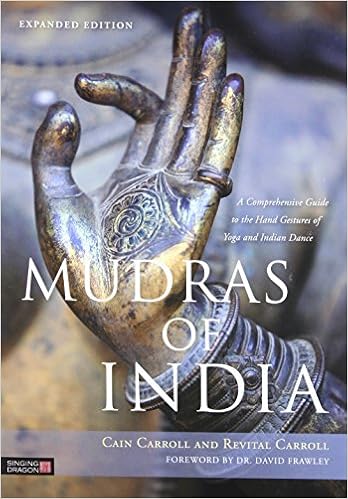 |
Mudras of India: A Comprehensive Guide to the Hand Gestures of Yoga and Indian Dance |
Buy Online Now |
 |
One Simple Thing: A New Look at the Science of Yoga and How It Can Transform Your Life |
Buy Online Now |
 |
From the Vedas to Vinyasa: An Introduction to the History and Philosophy of Yoga |
Buy Online Now |
 |
Light on the Yoga Sutras of Patanjali by B.K.S. Iyengar |
Buy Online Now |
|
Manuscripts are invited for next Issue at ijapc.com
Features
Herbs and Medicinal Plants
|